Dental Clinic Marketing: Compete With Corporate Chains
Independent dental clinic marketing can effectively compete with corporate chains by leveraging local SEO, Google Ads, and strategic partnerships without matching their budget. By focusing on targeted strategies, independent practices can attract more patients and enhance their reputation. This article explores actionable steps for dental clinic marketing, tailored to the unique needs of Ontario and Canadian practices.
Dental and allied health clinics share local search mechanics; see our allied health marketing agency page and physiotherapy clinic marketing for a comparison.
In today's competitive landscape, independent dental clinics face the challenge of competing with well-funded corporate chains. However, with the right marketing strategies, these clinics can attract new patients and retain existing ones without the need for a large budget. Understanding the nuances of local SEO, Google Ads, and relationship-building is crucial for success.

Understanding Dental Clinic Marketing
Dental clinic marketing involves a combination of strategies aimed at increasing patient acquisition and retention. Unlike other allied health fields, dental marketing must address high-ticket services and frequent hygiene visits. Reputation management and compliance with RCDSO standards are also essential. Marketing strategies must be tailored to the unique aspects of dental care, such as patient comfort, trust, and the importance of preventive care.
Key Components of Dental Marketing
- Patient Trust and Comfort: Building trust is paramount in dental marketing. Highlight your clinic's commitment to patient comfort and safety in all marketing materials. Consider showcasing patient testimonials, where permissible, and emphasize your clinic's adherence to safety protocols.
- Preventive Care Messaging: Emphasize the importance of preventive care and routine check-ups to keep patients engaged and informed. Use educational content to inform patients about the long-term benefits of regular dental visits.
- Community Engagement: Participate in local events and health fairs to increase your clinic's visibility and community involvement. Sponsor local sports teams or community events to build goodwill and brand recognition.
Leveraging Local SEO for Dental Clinics

Photo: Unsplash. License. Local SEO is a powerful tool for dental clinics to increase their visibility in search results. By optimizing your Google Business Profile, you can ensure that your clinic appears prominently when potential patients search for dental services in your area.
- Claim and Optimize Your Google Business Profile: Ensure your profile is complete with accurate information, including your clinic's address, phone number, and hours of operation. Regularly update your profile with photos and posts about your services. Engage with reviews, both positive and negative, to show responsiveness.
- Encourage Patient Reviews: Positive reviews can significantly impact your clinic's reputation and search ranking. Encourage satisfied patients to leave reviews on your Google Business Profile by sending follow-up emails or providing in-office prompts.
- Local Keywords: Use location-specific keywords in your website content and meta tags to improve local search visibility. Consider phrases like "dental clinic in Toronto" or "family dentist in Ottawa." Regularly update your content to reflect seasonal services or promotions.
For more detailed guidance on local SEO, consider our local growth retainer services.
Advanced Local SEO Techniques
- Local Backlinks: Establish relationships with local businesses and organizations to gain backlinks, which can improve your search engine ranking. Offer guest blog posts or collaborate on community projects to earn these links.
- Schema Markup: Implement local business schema markup on your website to enhance your search engine listings with rich snippets. This can improve click-through rates by providing additional information directly in search results.
- Content Localization: Create content that addresses local events, news, or issues to engage your community and improve local SEO. Consider writing blog posts about local health trends or dental tips relevant to your area.
Effective Use of Google Ads
Google Ads can be an effective way to reach potential patients actively searching for dental services. However, it's crucial to understand the Google Ads healthcare and medicines policy to ensure compliance.
- Targeted Campaigns: Focus on specific services, such as teeth whitening or emergency dental care, to attract patients looking for those services. Develop ad groups that target different patient needs and tailor your messaging accordingly.
- Geographic Targeting: Use geographic targeting to ensure your ads are shown to users within a specific radius of your clinic. Adjust your bids based on proximity to your location to maximize ad spend efficiency.
- Budget Management: Start with a modest budget and adjust based on the performance of your campaigns. Monitor your cost-per-click and conversion rates to optimize spending. Use automated bidding strategies to maximize ROI.
For professional assistance, explore our Google Ads management services.
Campaign Setup and Optimization
- Keyword Research: Conduct thorough keyword research to identify high-intent search terms relevant to your services. Use tools like Google Keyword Planner to discover new opportunities.
- Ad Extensions: Use ad extensions to provide additional information such as call buttons, location, and site links to enhance ad performance. Implement callout extensions to highlight unique selling points.
- A/B Testing: Regularly test different ad copies and landing pages to determine what resonates best with your audience. Use the insights gained to refine your ad strategy and improve conversion rates.
Building a Conversion-Focused Website
A well-designed website is crucial for converting visitors into patients. Your site should be easy to navigate, mobile-friendly, and optimized for search engines.
- Clear Calls to Action: Ensure that your website has clear calls to action, such as "Book an Appointment" or "Contact Us," prominently displayed. Use contrasting colors and strategic placement to draw attention.
- Service Pages: Create dedicated pages for each of your services, providing detailed information and answering common patient questions. Include before-and-after galleries or patient testimonials to build trust.
- Patient Resources: Offer resources such as blog posts, FAQs, and downloadable guides to educate patients and build trust. Regularly update your content to address new trends or common patient concerns.
Consider our website creation services for a professionally designed site that meets these criteria.
Enhancing Website Performance
- Mobile Optimization: Ensure your website is fully optimized for mobile devices, as many patients will search for services on their phones. Use responsive design techniques to provide a seamless experience across devices.
- Load Speed: Optimize images and use caching to improve your website's load speed, which can affect both user experience and SEO. Regularly test your site speed using tools like Google PageSpeed Insights.
- Secure and Accessible: Implement HTTPS and ensure your site is accessible to all users, including those with disabilities. Use alt text for images and ensure your site meets WCAG standards.
Patient Recall and Reactivation Strategies
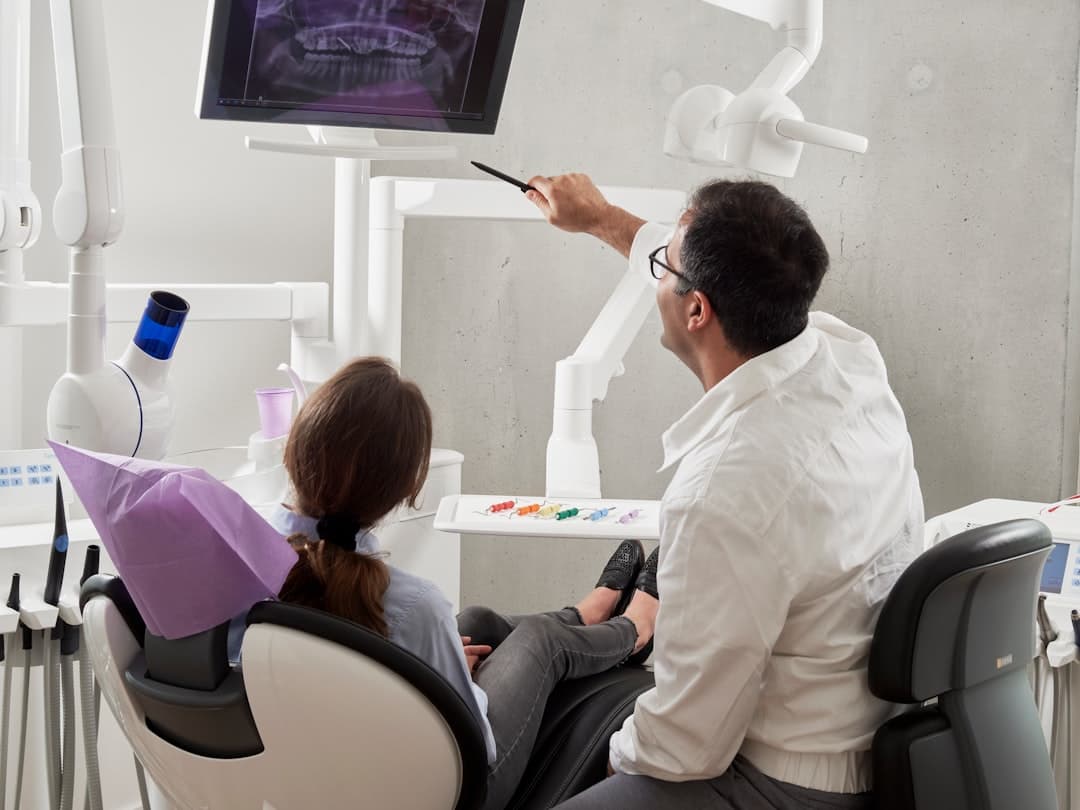
Photo: Unsplash. License. Maintaining patient relationships is essential for long-term success. Implementing recall and reactivation strategies can help keep your appointment book full.
- Automated Reminders: Use automated systems to send appointment reminders and follow-up messages to patients. Consider using SMS reminders for higher engagement rates.
- Special Offers: Offer promotions or discounts for returning patients to encourage them to schedule their next appointment. Use email marketing to communicate these offers effectively.
- Personalized Communication: Reach out to patients with personalized messages on their birthdays or anniversaries of their first visit. Use CRM tools to automate and personalize these communications.
Implementing a Recall System
- Software Solutions: Invest in patient management software that includes recall features to streamline the process. Look for solutions that integrate with your existing systems for seamless operation.
- Segmentation: Segment your patient list to tailor communications based on patient history and preferences. Use this data to send targeted messages that resonate with specific groups.
- Feedback Loop: Encourage feedback from patients on your recall process to continuously improve. Use surveys or direct feedback channels to gather insights.
Building Referral Relationships
Establishing referral relationships with other dentists and healthcare providers can be a valuable source of new patients.
- Network with Local Dentists: Attend local dental association meetings and events to build relationships with other dental professionals. Share knowledge and collaborate on best practices.
- Collaborate with Physicians: Partner with local physicians to provide comprehensive care for shared patients, such as those needing dental clearance before surgery. Develop referral protocols to streamline patient care.
- Educational Workshops: Host workshops or seminars for healthcare providers to showcase your expertise and services. Use these events to demonstrate your clinic's value and build professional networks.
Strengthening Referral Networks
- Referral Incentives: Offer incentives to other healthcare providers for referring patients to your clinic. Ensure these incentives comply with relevant regulations and ethical guidelines.
- Regular Communication: Maintain regular communication with your referral partners to keep them informed about your services and any changes. Use newsletters or direct updates to maintain engagement.
- Joint Marketing Efforts: Collaborate on joint marketing efforts, such as co-hosted events or shared advertising. Use these opportunities to reach broader audiences and reinforce partnerships.
Navigating Insurance and Assignment
Understanding insurance and assignment policies can help you better serve your patients and streamline your billing processes.
- Insurance Verification: Verify patient insurance details before appointments to avoid surprises and ensure smooth billing. Use automated verification tools to reduce administrative workload.
- Transparent Pricing: Clearly communicate your pricing and payment policies to patients, including any assignment options. Use clear, jargon-free language to explain costs and coverage.
- Billing Software: Use efficient billing software to manage claims and payments, reducing administrative burdens. Look for software that offers integration with your practice management systems.
Streamlining the Billing Process
- Training Staff: Ensure your staff is well-trained in handling insurance queries and processing claims. Provide regular updates on changes in insurance policies and procedures.
- Patient Education: Educate patients about their insurance coverage and any out-of-pocket costs they may incur. Use informational brochures or online resources to simplify complex information.
- Regular Audits: Conduct regular audits of your billing processes to identify and rectify any inefficiencies. Use these audits to ensure compliance and optimize financial operations.
Balancing New Patient Acquisition and Hygiene Retention
While attracting new patients is important, retaining existing ones through regular hygiene appointments is equally crucial.
- New Patient Offers: Consider offering discounted initial exams or cleanings to attract new patients. Use these offers as a gateway to introduce patients to your full range of services.
- Loyalty Programs: Implement loyalty programs that reward patients for regular visits and referrals. Use point systems or tiered rewards to encourage ongoing engagement.
- Patient Education: Educate patients on the importance of regular dental care to encourage consistent hygiene appointments. Use newsletters, social media, and in-office materials to disseminate information.
Strategies for Patient Retention
- Follow-Up Care: Provide detailed follow-up care instructions and check-ins to ensure patient satisfaction and retention. Use follow-up calls or emails to reinforce care instructions and address any concerns.
- Patient Feedback: Regularly solicit feedback from patients to understand their needs and improve your services. Use surveys or direct communication to gather actionable insights.
- Community Building: Foster a sense of community within your patient base through events and social media engagement. Use platforms like Facebook or Instagram to create a community feel and encourage interaction.
Compliance with RCDSO Advertising Standards
Ensure your marketing efforts comply with the advertising standards set by the Royal College of Dental Surgeons of Ontario. This includes avoiding misleading claims and ensuring transparency in your advertising.
- Review Guidelines: Regularly review the RCDSO advertising guidelines to stay compliant. Use these guidelines as a framework for all marketing activities.
- Avoid Testimonials: Be cautious with using patient testimonials, as they may not be permitted under current regulations. Verify what is allowed and ensure testimonials are used appropriately.
- Professional Representation: Ensure that all marketing materials accurately represent your qualifications and services. Use professional language and clear, accurate descriptions.
Staying Updated with Compliance
- Regular Training: Conduct regular training sessions for your team on compliance and advertising standards. Use these sessions to update staff on new regulations and best practices.
- Consult Legal Experts: Consult with legal experts to ensure your marketing materials comply with all relevant regulations. Use their expertise to navigate complex compliance issues.
- Continuous Monitoring: Implement a system for continuous monitoring and updating of your marketing practices to maintain compliance. Use checklists or compliance software to streamline this process.
Measuring Success and Adjusting Strategies
To ensure your marketing efforts are effective, it's critical to measure success and adjust strategies as needed.
- Key Performance Indicators (KPIs): Identify KPIs such as new patient acquisition rates, patient retention rates, and return on investment (ROI) for marketing campaigns. Use these metrics to gauge the effectiveness of your strategies.
- Regular Reporting: Set up regular reporting to track these KPIs and gain insights into what strategies are working. Use dashboards or automated reports to simplify data analysis.
- Adjusting Tactics: Be prepared to pivot your strategies based on performance data. This could involve reallocating budget, changing ad targeting, or updating website content. Use data-driven insights to inform strategic decisions.
Tools for Measurement
- Google Analytics: Use Google Analytics to track website traffic and user behavior. Leverage this data to understand patient engagement and optimize your digital presence.
- CRM Systems: Implement a Customer Relationship Management (CRM) system to manage patient interactions and data. Use CRM insights to personalize marketing efforts and improve patient relationships.
- Feedback Surveys: Use patient feedback surveys to gather qualitative data on patient satisfaction and areas for improvement. Analyze survey results to identify trends and areas for enhancement.
Common Mistakes in Dental Marketing
Avoiding common pitfalls can save time and resources in your marketing efforts.
- Overlooking Mobile Users: Ensure your website and marketing materials are mobile-friendly, as many potential patients will access them via smartphones. Regularly test mobile usability and make necessary adjustments.
- Ignoring Local SEO: Failing to optimize for local search can result in missed opportunities to attract nearby patients. Continuously update your local SEO strategies to maintain visibility.
- Neglecting Follow-Up: Not following up with potential leads or existing patients can lead to lost business. Implement structured follow-up processes to maintain patient engagement.
Correcting Mistakes
- Mobile Optimization: Regularly test your website on various devices to ensure a seamless user experience. Use responsive design and mobile-specific features to enhance usability.
- Local SEO Focus: Continuously update and optimize your Google Business Profile and local keywords. Use local SEO audits to identify areas for improvement.
- Follow-Up Systems: Implement automated systems for lead and patient follow-up to ensure no opportunities are missed. Use CRM tools to manage and track follow-up activities.
Frequently Asked Questions
How can I get more dental patients?
Focus on local SEO, Google Ads, and building referral relationships to increase your clinic's visibility and attract more patients.
What is the best way to use Google Ads for a dental clinic?
Target specific services and use geographic targeting to reach potential patients in your area. Monitor and adjust your campaigns for optimal performance.
How important is a website for a dental clinic?
A well-designed website is crucial for converting visitors into patients. It should be easy to navigate, mobile-friendly, and optimized for search engines.
What are effective patient recall strategies?
Use automated reminders, offer special promotions, and maintain personalized communication to encourage patients to return for regular appointments.
How can I build referral relationships with other healthcare providers?
Network with local dentists, collaborate with physicians, and host educational workshops to establish referral relationships.
What should I consider regarding insurance and assignment?
Verify insurance details before appointments, communicate pricing clearly, and use efficient billing software to manage claims and payments.
How do I comply with RCDSO advertising standards?
Review the RCDSO guidelines regularly, avoid misleading claims, and ensure transparency in all marketing materials.
By implementing these strategies, independent dental clinics can effectively compete with corporate chains and thrive in the Canadian market. For more personalized guidance, consider booking a strategy call with us.
Ready to grow your practice?
We help Ontario therapists and clinic owners build client acquisition systems, streamline intake, and scale sustainably. Start with the free Intake Conversion Playbook, or go straight to consulting / done-for-you implementation.
Related resources
Free playbook
Get the Intake Conversion Playbook
Ten copy-paste scripts, a response standard your team can hold in session, and a seven-day install — so more inquiries become booked first sessions.
Not ready to talk yet?
Get a free 5-minute website review
Send your clinic website and get a short video showing the messaging, structure, and intake friction that may be costing you inquiries.
Request your website review